

TEXTURED PAPER AND TACTILE FINISHES FAQ
Print offers the physical experience that a screen can’t. Here’s how you can make the most of it.
Texture can make printed marketing materials more memorable because it adds another sensory dimension to your brand. Your customers can see, touch and physically interact with the material before they’ve even read a word.
We’ve answered the most common questions about textured papers and tactile finishing options available here in Australia. Talk to us about how to choose the right combination for your next print project.
What are the most common paper finishes?
Gloss and matte. Standard paper choices are gloss, which is a shiny coating, and matte which a smooth, non-reflective coating. Gloss is more durable and makes colours pop; matte gives a more premium feel.
Spot UV coating is a small area printed in a special colour, usually used to ensure a specific shade or tone of a colour for elements such as a logo, providing striking contrast and emphasis against matte backgrounds.
Metallic and foil incorporate a thin film of metal or plastic to create a shiny, smooth coating for premium branding.
Textured finishes. There are so many textured papers available that will add depth, elegance and interest. Talk to us for suggestions that will suit your print project.
See Glide Print’s Glossary for more print terms.
What are specialty paper finishes?
These are the papers that elevate your print products by adding tactile and visual elements such as raised lettering or textured finishes. Popular choices include:
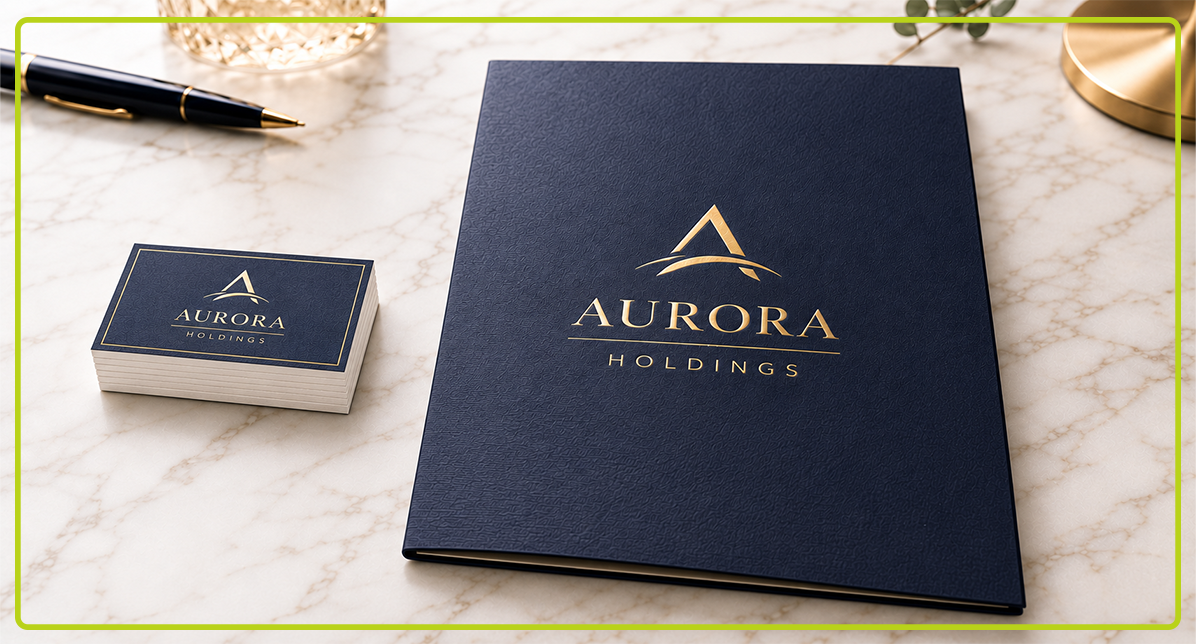
Foil stamping adds metallic gold or silver accents for a high-end look.
Embossing and debossing give a 3D, tactile depth by raising or pressing designs into the paper.
Eco-conscious papers offers a natural, rough texture.
Textured finishes such as linen or felt give a sophisticated, woven aesthetic.
Die-cutting for custom shapes.
Metallic ink adds sheen, usually in gold, silver or bronze for visual impact.
Also see Choosing the Right Paper
What is textured paper?
Textured paper has a patterned or uneven surface instead of being completely smooth. It may have a linen-like weave, fine ribs, a felt-like surface or another tactile pattern.
Unlike a coating that simply changes the appearance of paper, a genuine textured stock changes the way the paper feels in your hand. These papers are particularly effective for communicating quality, craftsmanship, heritage, creativity or authenticity.
Common textured stocks available in Australia include linen, laid, felt, vellum, cotton and recycled papers.
Also see Paper Choice Affects Customer Response
What are the most popular textured papers?
1. Linen paper has a crosshatch pattern designed to resemble woven linen fabric. It provides an immediately noticeable texture without being excessively heavy or elaborate. It’s a popular choice for business cards, letterheads, certificates, invitations, presentation folders and premium stationery.
Best for professional services, legal firms, financial businesses, hospitality, weddings and premium corporate stationery.
Tactile quality: crisp, structured and slightly fabric-like.
2. Laid paper has fine, parallel lines running through the sheet, giving a subtle but highly tactile paper with a classic, established appearance that works particularly well to communicate heritage, authority or permanence.
Best for executive stationery, correspondence, certificates, luxury invitations and professional documents.
Tactile quality: Fine ribbing that gives the sheet a traditional, handcrafted character.
3. Felt-textured paper has a soft, irregular surface that gives it a warm, tactile character. Unlike linen's regular pattern, felt texture is generally more understated and organic. It’s often used for premium applications such as business cards, invitations and postcards.
Best for creative businesses, premium invitations, arts organisations, boutique brands and luxury stationery.
Tactile quality: Soft, has and feels natural.
4. Vellum. Not to be confused with the translucent material traditionally associated with vellum, modern vellum describes specialty papers with a distinctive but slight grab to them. The subtle texture provides a tactile difference while retaining a relatively refined appearance.
Best for: Notebooks, stationery, editorial pieces and understated premium communications.
Tactile quality: Soft, slightly rough and natural.
5. Cotton paper is a premium choice when tactile quality is your priority. Cotton fibres create a soft, substantial surface that is particularly well suited to specialty finishes such as letterpress, embossing and debossing. The heavier cotton papers are often used for luxury business cards.
Best for luxury, invitations, certificates, premium stationery and high-end branding.
Tactile quality: Soft, substantial and luxurious.
6. Recycled and natural textured papers provide a distinctive tactile quality associated with nature. Some recycled stocks contain visible fibres or subtle variations that reinforce an eco-conscious brand identity. They are available in both natural and bright white finishes.
Best for sustainability-focused businesses, tourism, environmental organisations, food brands and businesses wanting a natural aesthetic.
Tactile quality: Natural, slightly fibrous and organic.
Choosing a textured paper is only one way to make print more tactile. You can also add a physical dimension after the paper has been printed.
What are some popular tactile finishing options?
1. Embossing creates a raised design by pressing a die into the paper. It can be used on its own or combined with ink or foil. This is one of the most understated premium finishes available: it is often only visible when the light catches the raised surface, but the texture can be immediately felt.
2. Debossing is the opposite of embossing: instead of raising the design, the die pushes it down into the paper. The recessed area catches light and shadow, creating a sophisticated, engraved appearance.
3. Letterpress uses pressure to physically impress the printed design into the paper. It is particularly effective on soft, thick cotton stocks that gives letterpress its distinctive handcrafted feel.
4. Foil stamping adds a visually striking metallic or special-effect film to selected areas of a printed piece. Gold and silver remain classic choices, but modern foils are available in a much broader range of colours and effects.
5. Raised ink gloss or Scodix-style finishes create a textured surface you can see and feel. Modern digital processes can build up selected parts of artwork, producing a three-dimensional effect without traditional embossing dies.
6. Soft-touch or velvet lamination make the entire surface feel different through soft-touch lamination that creates a smooth, velvety feel across the sheet. It works particularly well when combined with contrasting finishes such as spot UV, foil or raised elements.
Also see Types of Ink and Their Uses
From linen and felt stocks to embossing, debossing, letterpress and raised finishes, there are many ways to give printed materials a more memorable look and feel. Glide Print can help you compare stocks, weights and finishes and recommend a combination that delivers the right result for your print budget.
Also see Standard Binding Types, and Fonts Affect Emotions
For Australian businesses looking to create premium business cards, brochures, invitations, annual reports, presentation folders, stationery, packaging or marketing materials, textured paper and tactile print finishes are increasingly valuable tools.
Ask us how to use them to your best advantage.
We’re your local print expert.
DESIGN SERVICE

The visual impact of professional quality graphic design is crucial to the success of all your marketing products.
Our designers are fast, creative and professional. We can add to your existing products or create a beautiful design from your ideas.
Glide Print supply all design work from simple tasks like getting your artwork ready for print to creating complex documents such as annual reports and marketing packages. We work closely with our clients to make sure your branding is consistent and the print quality is excellent across all your products.
All of our designers are based in Australia, we don’t outsource our work overseas. You receive personal attention from someone you can talk to and meet. It’s all part of Glide Print’s outstanding service to you.
Like all our products, we supply our design services at Glide Print’s competitive prices.
All our knowledge and skill come at no extra cost to you so you know
you're getting the best quality for your budget and the process will be an easy one for you.
We're here to help.
If you'd like to know the best way to create your print products for the best price
call us on (08) 9221 7514, email us or request a quote.